
Prepare Your Children for Life

CoMMunication and Life Skills

Your child’s stories become the training ground for clear communication, creativity, critical thinking, and meaningful self-expression. Through fiction, students learn to think deeply, choose words intentionally, solve problems creatively, and express ideas clearly. These are the skills needed for strong academic writing, leadership, and lifelong learning—and your child learns them while creating stories they love.
Creativity and Imagination
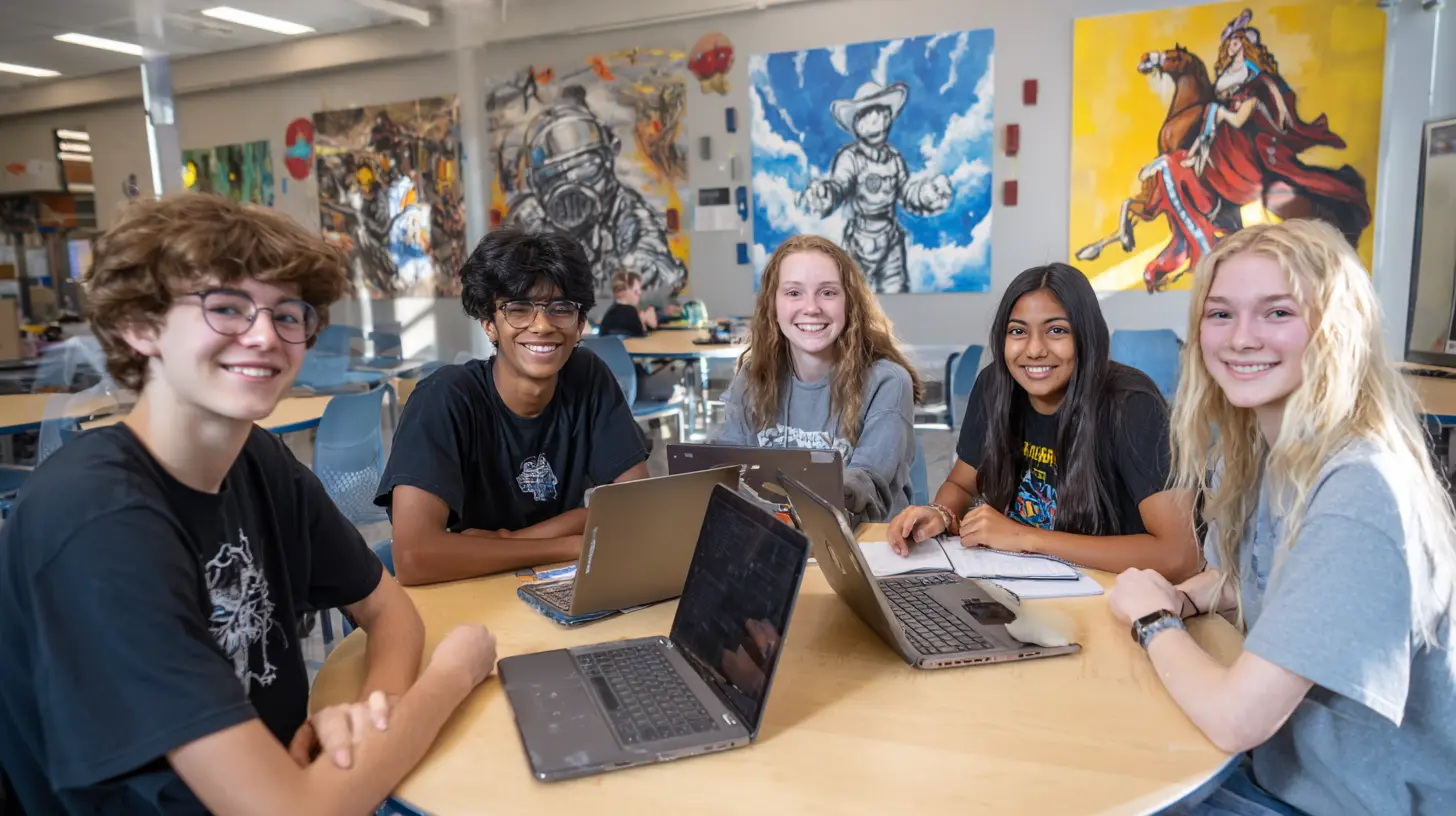
Writing should begin with curiosity, not pressure.
In our courses, students are encouraged to imagine boldly, experiment freely, and create stories that feel exciting to them. Whether they’re drawn to adventure, mystery, fantasy, or realistic fiction, students learn that their ideas matter — and that learning can be something they look forward to.
As students build imaginative worlds and characters, they don’t just become better writers. They become more engaged learners who are eager to explore, revise, and grow.
Students WANT to learn Grammar,
Punctuation, and Spelling rules
Learning all the communication writing rules is hard work. But when your child learns that those rules help keep their readers engaged in the story rather than being distracted by mistakes, they become motivated to apply the rules themselves. Their stories become better and they use the same rules in all of their communication.
Instead of isolated drills, students revise their own work with purpose, learning how mechanics serve clarity, voice, and meaning.
Stories are powerful. Communicating stories with the right verb tenses and spelling and commas in the right places give friends the ability to read and enjoy the stories to the very end. That's something that makes learning the rules worthwhile right now.
Improve English Mechanics
Internal Motivation by Sharing Stories

Critical Thinking Skills

Every good story is built on thoughtful decisions.
Students learn to think critically about characters’ goals, motivations, and choices — and about the consequences that follow. They analyze problems, consider alternatives, and revise their work when something doesn’t quite ring true.
These skills extend far beyond writing. Students practice reasoning, perspective-taking, and problem-solving in ways that naturally strengthen their academic thinking and everyday decision-making.
Not just reading about decisions but creating them
Your child doesn't just read about scenarios but creates their own dilemmas, conflicts, alternatives, and choices. By developing alternatives, analyzing pros and cons, and having their characters make hard choices, your child learns critical thinking skills themselves in a deeper, more meaningful way.
Writing a story from beginning to end takes persistence.
Students learn how to start projects, work through challenges, revise thoughtfully, and finish what they begin. Along the way, they develop patience, resilience, responsibility, and a growing sense of ownership over their work.
These life skills are not taught as abstract lessons — they emerge naturally as students engage in meaningful creative work they care about.
Life Skills

Meaning and Purpose

Many students want their stories to matter — even if they don’t yet have the words to say why.
Our courses give students the option to explore deeper themes such as courage, loyalty, sacrifice, hope, and truth through their writing. Students are never forced into heavy topics, but they are invited to think about what their stories say and why those messages matter.
This helps students discover their own voice and begin expressing ideas that reflect who they are becoming.
Complete Writing Curriculum
All writing courses are included in your membership and organized by age group. Choose from five-day-a-week courses or lighter one-day-a-week options — and switch as your needs change.
Community & Discussion
Students can ask questions, share ideas, and work through challenges together in a moderated, respectful community.
Supportive Story Feedback
Students can share story drafts and receive thoughtful feedback on what’s working and where to grow — while also learning to give helpful feedback to others.
A Safe, Respectful Environment
No profanity. No sexual content. No rudeness. Our community is moderated, encouraging, and focused on growth — so students feel safe sharing their work.
Structured, flexible Lessons
Lessons are clearly structured and easy to follow, helping students move from ideas to finished stories with guidance at every step — without overwhelming them.
What's Included

Faith-Based Writing Supplements

For families who desire it, our courses offer an integration of a Biblical worldview.
An optional Biblical supplement is available for each section of learning, where scriptures and examples are woven into discussions of character, choices, and meaning, without being heavy-handed or restrictive. Students are encouraged to think about storytelling through the lens of truth, purpose, and responsibility — recognizing that stories shape how we see the world and our place in it.
This approach allows students to connect story writing, creativity, and worldview with Biblical foundations.